
Addressing health inequities and building trusted health communication
Dr. Tetine Sentell studies how to improve health communication with research teams in Hawaiʻi, the Pacific, and across the world.
Detailed consideration of the role of low health literacy in health inequities
Looking beyond an individual-level to focus on social networks and communities

Next Gen Hawaiʻi
with Momi Tolentino and the Next Gen Ambassadors



![Screenshot of a woman with arms outstretched sharing the link. It reads ʻBisitahin ang [website address] para sa lahat ng mga pangangailangan ninyo.ʻ](https://tetinesentell.com/wp-content/uploads/2024/09/picture3.png?w=352)
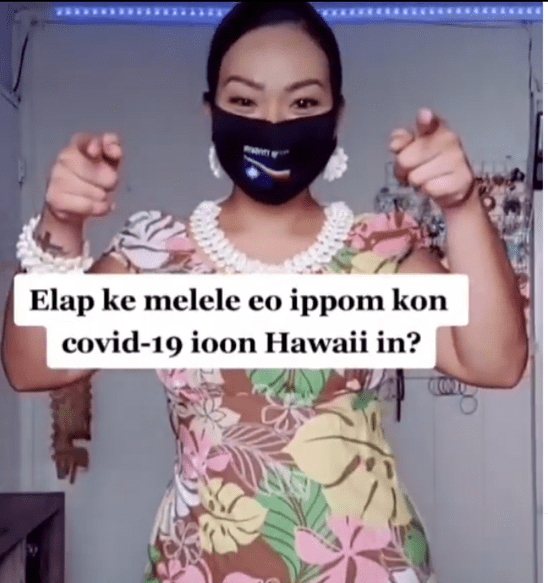
Dr. Sentell has been the academic lead with Momi Tolentino for a collaborative social media campaign with the Hawaiʻi Native Hawaii and Pacific Islander COVID-19 Response, Recovery, and Resilience Team.
Goal: To amplify voices of the youth of Hawaiʻi across diverse languages to support health equity.
The Next Gen Hawaiʻi project began in Fall 2020 to strategically amplify voices of Hawaiʻi youth in their Native languages to improve community health and health literacy, especially in Native Hawaiian, Pacific Islander, and other ethnic populations disproportionately suffering from COVID-19 impacts. The collaborative effort arose from Hawaiʻi’s Native Hawaiian & Pacific Islander COVID-19 Response, Recovery, and Resilience Team, composed of diverse public and private organizations, and a core group of youth organizers. It remains ongoing with new collaborations thanks to the amazing Momi Tolentino and the wonderful Next Gen Hawai’i Public Health Ambassadors!
Five youth-focused Next Gen Hawaiʻi social media platforms were developed to support public health messaging. Next Gen Hawaiʻi Public Health Ambassadors (from high school to young adults) were engaged and created culturally and linguistically appropriate messaging. Topics (in over 500 posts) have included: vaccines, masks, social connection, and in-language resources.
The effort increased access to reliable public health information in Chuukese, Chamorro, Marshallese, Samoan, Hawaiian, Ilocano, Tagalog, and many other Pacific-basin languages. Reach has included more than 75,000+ views from social media, as well as media attention, and a successful webinar.
This project has been supported by many organizations, including the Hawaiʻi State Department of Health, Papa Ola Lōkahi, the University of Hawaiʻi Office of Public Health Studies, Aloha Care, and WIC. This strength-based approach promotes leaderships especially from Native and Indigenous youth, as important social influences for public health, community engagement, and social change. The project also leverages cultural values and strengths including intergenerational households and strong family and community relationships. The effort is built on health literacy best practices, cultural values, and youth engagement.
For more information
Culturally-Informed COVID-19 Vaccine Campaigns with Next Gen Hawai‘i from the Hawai’i Public Health Institute
Next Gen Hawai‘i: Collaborative COVID-19 Social Media Initiative to Engage Native Hawaiian, Other Pacific Islander, and Filipino Youth in the Hawaiʻi Journal of Health & Social Welfare
TikTok Challenge Promotes Multi-Language COVID-19 Messaging from the University of Hawai’i News
Next Gen Hawaii from the University of Hawai’i at Manoa
Advancing Health Literacy Franklin County
Dr. Sentell led the team from University of Hawaiʻi Office of Public Health Studies for Advancing Health Literacy Franklin County (AHLFC) as the outside evaluator for this project.

Advancing Health Literacy Franklin County was a 2-year project funded by the Office of Minority Health begun in June 2021 focusing on organizational HL improvement, networks, and community engagement within Franklin County, Ohio, to build a health literate community. A health care organization (Nationwide Children’s Hospital) collaborated with two public health agencies (Franklin County Public Health and Columbus Public Health), and CBOs to implement and establish culturally relevant HL-informed approaches to COVID-19–related communication and health system practices.
For more information
$4M to help unlock health literacy in local communities from the University of Hawai’i News
Building Community Health Literacy with a Social Network Perspective in European Journal of Public Health
Health Literacy in a Social Context
Hawaiʻi and the Pacific
Health literacy, social networks, and health outcomes among mental health Clubhouse members in Hawai‘i
by Joy Agner, Monet Meyer, Tyra Mahealani Kaukau, Maileen Liu, Lisa Nakamura, Adriana Botero, and Tetine Sentell in the International Journal of Environmental Research and Public Health special Issue of Health Literacy and Social Contexts, 2023, 20(1):837
About the article
Health literacy is the ability to obtain and utilize health information to make health-related decisions and to navigate health systems. Although health literacy has traditionally been understood as an individual-level construct, current research is revealing the impact that social networks can have on health literacy. To date, no studies have examined associations between health literacy and social networks among people with serious mental illness (PWSMI), who are at high risk of physical illness and premature mortality. To begin to fill this gap, this study explores associations between health literacy, relationships with health discussion partners, and self-reported health outcomes in a racially diverse sample of Clubhouse members in Hawai‘i. Clubhouses are community mental health centers that promote recovery from mental illness through destigmatization, meaningful activity, and strong social relationships. Health literacy was assessed using two single-item screeners (SILS). In a sample of 163 members, 56.2% reported adequate ability to understand health-related instructions or pamphlets, and 43.3% reported adequate confidence filling out medical forms independently. This is consistent with other health literacy studies with PWSMI in the United States, and indicates lower health literacy within this group than is reported in national averages. Multivariate logistic regression revealed a larger Clubhouse staff social network and completing high school were significantly associated with requiring less help to read materials. Higher age, male gender, and being Native Hawaiian and/or Pacific Islander were associated with less confidence filling out medical forms, while higher self-efficacy was associated with higher confidence filling out medical forms. This study provides preliminary evidence that relationships fostered within Clubhouses are associated with health literacy among PWSMI, and highlights the need for more research to examine how social networks and health literacy interventions can be leveraged in community mental health settings to improve health outcomes within this vulnerable population.
Public Health Communication to Build Equity: 10 Best Practice Pandemic Insights and Examples from Hawaiʻi
by Sentell T, Finn J, Tolentino NK, Birnie KK, Phillips M for the Insights Column in the Hawaiʻi Journal of Health & Social Welfare
The influence of community and individual health literacy on self-reported health status
Tetine Sentell PhD, Wei Zhang PhD, James Davis PhD, Kathleen Kromer Baker PhD & Kathryn L. Braun DrPH, (2014) in the Journal of General Internal Medicine, 29(2):298-304
About the article
Background: Individual health literacy is an established predictor of individual health outcomes. Community-level health literacy may also impact individual health, yet limited research has simultaneously considered the influence of individual and community health literacy on individual health.
Objective: The study goal was to determine if community health literacy had an independent relationship with individual self-reported health beyond individual health literacy.
Design: We used data from the 2008 and 2010 Hawai’i Health Survey, a representative statewide telephone survey. Multilevel models predicted individual self-reported health by both individual and community health literacy, controlling for relevant individual-level (education, race/ethnicity, gender, poverty, insurance status, age, and marital status) and community-level variables (community poverty and community education).
Participants: The sample included 11,779 individuals within 37 communities.
Main measures: Individual health literacy was defined by validated self-reported measurement. Communities were defined by zip code combinations. Community health literacy was defined as the percentage of individuals within a community reporting low health literacy. Census data by ZIP Code Tabulation Areas provided community-level variables.
Key results: In descriptive results, 18.2 % self-reported low health literacy, and 14.7 % reported self-reported poor health. Community-level low health literacy ranged from 5.37 % to 35.99 %. In final, multilevel models, both individual (OR: 2.00; 95 % CI: 1.63-2.44) and community low health literacy (OR: 1.02; 95 % CI: 1.00-1.03) were significantly positively associated with self-reported poor health status. Each percentage increase of average low health literacy within a community was associated with an approximately 2 % increase in poor self-reported health for individuals in that community. Also associated with poorer health were lower educational attainment, older age, poverty, and non-White race.
Conclusions: Both individual and community health literacy are significant, distinct correlates of individual general health status. Primary care providers and facilities should consider and address health literacy at both community and individual levels.
Considering Health Literacy, Health Decision Making, and Health Communication in the Social Networks of Vulnerable New Mothers in Hawaiʻi: A Pilot Feasibility Study
by by Tetine Sentell, Joy Agner, Ruth Pitt, James Davis, Mary Guo, and Elizabeth McFarlane in the International Journal of Environmental Research and Public Health, (2020), March 31, 17(7), page 2356
About the article
Health literacy is understudied in the context of social networks. Our pilot study goal was to consider this research gap among vulnerable, low-income mothers of minority ethnic background in the state of Hawai‘i, USA. Recruitment followed a modified snowball sampling approach. First, we identified and interviewed seven mothers (“egos”) in a state-sponsored home visiting program. We then sought to interview individuals whom each mother said was part of her health decision-making network (“first-level alters”) and all individuals whom the first-level alters said were part of their health decision-making networks (“second-level alters”). Health literacy was self-reported using a validated item. A total of 18 people were interviewed, including all mothers (n = 7), 35% of the first-level alters (n = 7/20), and 36% of the second-level alters (n = 4/11). On average, the mothers made health decisions with 2.9 people (range: 1-6); partners/spouses and mothers/mothers-in-law were most common. One mother had low health literacy; her two first-level alters also had low health literacy. Across the full sample, the average number of people in individuals’ health decision networks was 2.5 (range: 0–7); 39% of those interviewed had low health literacy. This can inform the design of future studies and successful interventions to improve health literacy.
Sharing the Patient Experience: A “Talk Story” Intervention for Heart Failure Management in Native Hawaiians
by Sentell T, Kennedy F, Seto T, Vawer M, Chiriboga G, Valdez C, Garrett LM, Paloma D, Taira D. (2020) in the Journal of Patient Experience, 1-9
About the article
Background: Native Hawaiians (NHs) suffer disproportionately from cardiovascular disease morbidity and mortality.
Objective: To test a narrative intervention of patient stories to support heart disease self-management in NHs.
Method: Six NH storyteller videos were developed with community feedback following established methods. The NH participants with heart failure (N = 35) were recruited from a major medical center in Hawai’i. Participants completed demographic questionnaires, watched videos via iPad, and described experiences. Follow-up was 4 weeks later.
Results: Mean participant age was 57.0 years (standard deviation [SD]:13.0) and 31% (11) were female. On a scale of 1 (worst) to 4 (best), respondents rated the videos 3.7 (SD: 0.5) in relevance for helping them manage their heart disease and 3.6 (SD: 0.5) in their experience using these videos. When asked what they liked best, the most common response was that they are “like me” (from 14 respondents, ranging from a 43-year-old woman to an 84-year-old man). Of those completing follow-up (n = 15), 87% said videos helped them.
Conclusion: Our narrative “talk story” intervention showed promise as a culturally relevant method to share patient experiences and reduce health disparities.
Keywords: Native Hawaiians; chronic care management; heart disease; narrative intervention; patient-centered.
Social networks in patients hospitalized with preventable conditions for heart disease and diabetes in Hawaiʻi by health literacy
by Sentell, T., Agner, J., Davis, J., Mannem, S., Seto, T., Valente, T., Kennedy, F., Vawer, M., & Taira, D. (2021) in Chronic Illness
About the article
Objectives: Reducing potentially preventable hospitalizations (PPH) for chronic disease is a research and practice priority. Native Hawaiians and other Pacific Islanders (NHOPI) have disparities in PPH, and are understudied in both health literacy and social network research. Greater inclusion of social and familial networks can help address health disparities among people with chronic illness and enhance culturally relevant healthcare.
Methods: Adults hospitalized with a heart disease or diabetes-related PHH in Hawai‘i (N = 22) were assessed for health literacy and social network membership (“alters”).
Results: Sixty-nine percent of respondents were NHOPI. Three respondents (14%) had no alters (“isolates”). Among non-isolates, 79% desired the participation of at least one alter in chronic disease management-related interventions. Fifty-nine percent of respondents had low health literacy. While the mean number of alters did not vary significantly by health literacy, those with lower health literacy had a trend (p = .055) towards less interest in social network engagement.
Discussion: In a sample primarily comprised of NHOPI with chronic disease, many patients wished to include social network members in interventions. Engagement varied by health literacy with implications for health disparities. Not all patients were interested in social network engagement, which must be considered in intervention planning.
National and Global Context
Health Literacy in a Social Context: Review of Quantitative Evidence
by Sentell T, Pitt R, Buchthal OV. . HLRP: Health Literacy Research and Practice. April 2017 – Volume 1 · Issue 2: e41-e70.
About the article
Background: Conceptual literature has consistently noted that health literacy exists within a social context. This review examined how the intersection of social context and health literacy has been operationalized in quantitative, empirical research.
Methods: Following PRISMA (Preferred Reporting Items for Systematic Reviews and Meta-Analyses) guidelines, we searched seven databases, including PubMed and CINAHL (The Cumulative Index to Nursing and Allied Health Literature), using a range of potentially relevant keywords, and we hand-searched bibliographies. Inclusion criteria were quantitative studies of any design in which measurement of health literacy and measurement of social context intersected. We identified 1,052 unduplicated articles; 34 met inclusion criteria.
Key results: We found three distinct perspectives on the intersection between health literacy and social context. Most common (n = 23) were studies measuring an association between individual health literacy and individual social capital, social support, or social engagement, particularly whether social support varied by health literacy and/or if this relationship mediated health outcomes. Another group of studies (n = 6) took the perspective that being health literate by definition included social context, including access to and/or use of social support as a domain in individual health literacy assessment. Five studies considered the social context of health literacy as an independent property measured beyond the individual level; two measured community-level health literacy and three measured health literacy capacity/concordance in caregiving dyads. The studies showed significant definitional and measurement complexity and overlap. In the most dramatic example, a similar question was used across various studies to measure (1) health literacy, (2) a social support domain in health literacy, (3) social support, and (4) a study outcome distinct from, but associated with, health literacy. Potential useful methods, such as social network analyses, were missing from the literature.
Discussion: Existing quantitative research on health literacy in a social context supports more attention to this topic. This review quantified evidence, revealed gaps, noted limitations, and identified important questions for future research. [Health Literacy Research and Practice . 2017;1(2):e41-e70.].
Plain language summary: This study systemically compiles existing quantitative empirical research (34 articles) focusing on the intersection of health literacy in the social context. We find considerable measurement complexity in the current body of work on this topic and identify three distinct perspectives that researchers have taken while considering this topic. This information will be useful for future development of this important research area.
Health literacy in a social context: A meta-narrative review
by Pitt R, Davis T, Manganello J, Massey P, Okan O, McFarlane E, Buchthal OV, Davis J, Arnold C, Sentell T., (2019) in Handbook of Health Literacy edited by Orkan Okan, Ulli Bauer, Paulo Pinheiro, Diane Levin-Zamir and Kristine Sorensen from Policy Press Bristol (UK)
About the article
Health literacy is often defined as how individuals ‘obtain, process, and understand basic health information and health services in order to make appropriate health decisions’ (Ratzan and Parker, 2000, p vi). Much health literacy research has focused on the functional skills of individuals (Lee et al, 2004; Guzys et al, 2015) and/or on the capacity of healthcare providers and health systems to support individuals with low health literacy (Baur, 2010). However, a growing body of empirical health literacy research looks beyond the individual level to the social structures in which people live (for example, dyads, families and social networks), acknowledging the role of support and resources from the social environment (Sentell et al, 2017). This literature spans diverse disciplines, topic areas and methods.
Synthesising such research is important, but challenging. The conceptualisation and operationalisation of health literacy has varied across time, disciplines, methods and research communities (Altin et al, 2014; Guzys et al, 2015). The field of health literacy continues to expand, despite lack of consensus on its central construct (Mackert et al, 2015). Likewise, the effect of social relationships on wellbeing is a broad area of research with a long history, ranging from studies of how an individual’s social connections affect access to resources, to fields that focus on social structure (rather than the individual) as the unit of study (Lomas, 1998). Terms such as social networks, social support, social ties, social integration and social practice are distinct in theoretical literature, but are sometimes used ‘loosely and interchangeably’ in the empirical literature (Berkman et al, 2000, p 843).
Racial/ethnic differences in those accompanying Medicare patients to the doctor: Insights from the 2013 Medicare Current Beneficiary’s Survey
by Sentell TL, Shen C, Landsittel D, Mays MH, Southerland J, Henriques-King M, Taira DA in the Journal of Immigrant and Minority Health. 2017 April 12
About the article
Surprisingly little current, population-level detail exists regarding companion accompaniment for health care among Medicare beneficiaries, particularly by race/ethnicity. For respondents in the 2013 Medicare Current Beneficiary’s Survey Access to Care public use data (N = 12,253), multivariable models predicted accompaniment to the doctor by race/ethnicity, adjusting for confounders. Chi square analyses compared, by race/ethnicity, who was accompanying and why. Overall, 37.5% of beneficiaries had accompaniment. In multivariable analyses, non-Hispanic blacks (OR 1.18; 95% CI 1.03-1.36) and Hispanics (OR 1.47; 95% CI 1.25-1.74) were significantly more likely than non-Hispanic whites to have accompaniment. Over 35% of all three groups had someone to “take notes,” “ask questions,” and/or “explain things,” which did not vary by race/ethnicity; significant differences were seen for “explain instructions,” “translate,” and “moral support.” Hispanics had the highest percentages for all three. Many Medicare beneficiaries have accompaniment to doctors’ appointments, particularly in minority racial/ethnic groups, which should be considered in policy and practice.
Documenting Health Literacy Inequities
Hawaiʻi and the Pacific
Sentell T, Baker K, Onaka A & Braun, K. (2011). Low health literacy and poor health status in Asian Americans and Pacific Islanders in Hawaiʻi. Journal of Health Communication. Sep 30;16 Suppl 3:279-94
Sentell T, Dela Cruz MR, Heo HH, Braun K. (2013). Health literacy, health communication challenges, and cancer screening among rural Native Hawaiian and Filipino women. Journal of Cancer Education. 28(2):325-34.
Sentell T & Zhang W. Insights in Public Health: The Importance of Considering Educational Inequity and Health Literacy to Understand Racial/Ethnic Health Disparities. Hawaiʻi Journal Medicine and Public Health. 71(8):232-7.
Guo M, Quensell M, Chang A, Miyamura J, Sentell T. (2018). Understanding of Key Obstetric Quality Terminology by Asian and Pacific Islander Subgroups: Implications for Patient Engagement and Health Equity. Maternal and Child Health Journal.
National and Global Context
Sentell T & Halpin H. (2006). The importance of adult literacy in understanding health disparities. Journal of General Internal Medicine, 21 (8): 852-856. PMID: 16881948
Howard D, Sentell T, & Gazmararian J. (2006). The impact of health literacy on socioeconomic and racial differences in health in an elderly population. Journal of General Internal Medicine, 857-861.
Sentell T. (2012). Implications for Reform: Survey Of California adults suggests low health literacy predicts likelihood of being uninsured. Health Affairs; 31(5):1039-48.
Sentell T & Shumway M. (2003). Low literacy and mental illness in a nationally representative sample. Journal of Nervous and Mental Disease, 191(8): 549-52. PMID: 12972860
Sentell T & Ratcliff-Baird R. Literacy and comprehension of Beck Depression Inventory Response alternatives. (2003). Community Mental Health Journal, 39(4): 323-31. PMID: 12908646G
Mayeaux, EJ Jr, Davis TC, Jackson RH, Henry D, Patton P, Slay L, & Sentell T. (1995). Literacy and self-reported educational levels in relation to Mini-Mental State Examination Scores. Family Medicine
Sentell T, Braun KL, Davis J, Davis T. Health Literacy and Meeting Breast and Cervical Cancer Screening Guidelines among Asians and Whites in California. Springer Plus. 2015 Aug 19;4:432. doi: 10.1186/s40064-015-1225-y.
Health Literacy, Language, and Immigration
Hawaiʻi and the Pacific
Tong M & Sentell T. Insights in Public Health: Challenges Investigating Health Outcomes in Chinese Americans Using Population-Based Survey Data. Hawaiʻi Journal Medicine and Public Health. 76 (1): 27-32.
Sentell T, Chang A, Ahn H-J, Miyamura J. Maternal Language and Adverse Birth Outcomes in a Statewide Analysis. Women and Health. 2016;56(3):257-80. Epub 2015 Sep
National and Global Context
Kostareva U, Albright CL, Berens E-M, Klinger J, Ivanov LL, Guttersrud O, Liu M, Sentell TL. Health literacy in former Soviet Union immigrants in the US: a mixed methods study. Appl Nurs Res. 2022;67:151598. doi:10.1016/j.apnr.2022.151598
Sentell T & Braun K. (2012). Low health literacy, limited English proficiency, and health status in Asians, Latinos, and other racial/ethnic groups in California. Journal of Health Communication 17 Suppl 3:82-99.
Kostareva U, Albright CL, Berens E-M, Levin-Zamir D, Aringazina A, Lopatina M, Ivanov LL, Sentell TL. International perspective on health literacy and health equity: factors that influence the former Soviet Union immigrants. Int. J. Environ. Res. Public Health.
Tsoh JY, Sentell T, Gildengorin G, Le GM, Chan E, Fung LC, Pasick RJ, Stewart S, Wong C, Woo K, Burke A, Wang J, McPhee SJ, Nguyen TT. Healthcare communication barriers and self-rated health in older Chinese American immigrants. J Community Health. 2016 Aug;41(4):741-52. doi: 10.1007/s10900-015-0148-4.
Sentell TL, Tsoh JY, Davis T, Davis J, Braun KL. (2015) Low Health Literacy and Cancer Screening among Chinese Americans in California: A Cross-Sectional Analysis. BMJ Open. 2015 Jan 5;5(1):e006104.
Sentell TL, Braun K, Davis J, Davis T. (2013). Colorectal cancer screening: Low health literacy and limited English proficiency among Asians and Whites in California. Journal of Health Communication 18 Suppl 1:242-55.
Evaluating Health Literacy Among Adolescent and Young Adults Pregnant Women From a Low-income Area of Northeast Brazil. International Journal of Environmental Research and Public Health (in press)
Massey P, Mangenello J, Sentell T, Langellier B. Nativity and language preference as drivers of health information seeking: examining differences and trends from a U.S. population-based survey. Ethnicity and Health. 2017 Dec;22(6):596-609. doi: 10.1080/13557858.2016.1244745. Epub 2016 Oct 21.
Health Literacy in College Students and Adolescents
Hawaiʻi and the Pacific
Phillips MM, Weldon RH, Maniar A, Patil U, Kostareva U, Agner J, Finn J, Sentell T. Social Networks, Health Information Sharing, and Pandemic Perceptions among Young Adults in Hawaiʻi during the COVID-19 Pandemic. International Journal of Environmental Research and Public Health. In the Special Issue of Health Literacy and Social Contexts. 2022; 19(24):16833. https://doi.org/10.3390/ijerph192416833 https://www.hawaii.edu/news/2023/02/17/young-adults-covid-sm-study/
National and Global Context
Hadley M, Patil U, Colvin K, Sentell T, Massey P, Gallant M, & Manganello, J.Exploring the impact of digital health literacy on COVID-19 behaviors in New York state college students during the COVID-19 pandemic. Computer Methods and Programs in Biomedicines] https://doi.org/10.1016/j.cmpbup.2023.100126
Patil, U., Kostareva, U., Hadley, M., Manganello, J. A., Okan, O., Dadaczynski, K., Massey, P.M., Agner, J., Sentell, T. (2021). Health Literacy, Digital Health Literacy, and COVID-19 Pandemic Attitudes and Behaviors in U.S. College Students: Implications for Interventions. International Journal of Environmental Research and Public Health, 18(6), 3301. doi:10.3390/ijerph18063301
T Sentell, P Massey, J Manganello, K Dadaczynski, Patil U, Hadley M, Kostareva U. Panel: Digital Health Literacy and US College Students in the Time of COVID-19. HARC/Health Literacy in Action Conference. Oral Presentation. October 19, 2020.
T Sentell, M Kearney, A Hazen, MR Dela Cruz, J Yamauchi, L McHenry, B Rodericks, P Massey. Do you Vape With Aloha?: How culture and place are used to spread misinformation on Instagram. 16th World Congress on Public Health, Rome, Italy (virtual). Oral Presentation. October 12-16, 2020.
Manganello J, Sentell T, Davis T. (2013). Health literacy, mental health, and adolescents. In Handbook of Adolescent Health Psychology. O’Donohue, William T.; Benuto, Lorraine T.; Woodward Tolle, Lauren (Eds.) New York, NY: Springer.
Sentell T. (2012). Adolescent-rated health and intention to attend College: Variation by race/ethnicity and levels of health status. Race and Social Problems, 4 (2). 112-120.
Solutions to Address Health Literacy Inequities
Hawaiʻi and the Pacific
Sentell T, Patil U, Kostareva U. Health literate Hawaiʻi: a blueprint to empower health and wellbeing. Hawaiʻi J Health Soc Welf. 2021;80(10 Suppl 2):57-63. Special Issue: Roadmap to a Healthier and More Equitable Hawaiʻi.
Kim JK, Garrett L, Latimer R, Nishizaki LK, Kimura JA, Taira D, Sentell T. Ke Ku’una Na’au: A Native Hawaiian Behavioral Health Initiative at The Queen’s Medical Center. Hawaiʻi J Med Public Health. 2019 Jun;78(6 Suppl 1):83-89.
Trinacty CM, LaWall, Ashton M, Taira D, Seto TB, Sentell T. Adding Social Determinants in the Electronic Health Record in Clinical Care in Hawaiʻi: Supporting Community-Clinical Linkages in Patient Care. Hawaiʻi J Med Public Health. 2019 Jun;78(6 Suppl 1):46-51.
Sentell TL, Young MM, Vawer MD, Quensell M, Seto TB, Braun K, Juarez DT. (2016) Pathways to Potentially Preventable Hospitalizations for Diabetes and Heart Failure: Patient Perspectives. BMC Health Services Research;16:300.
National and Global Context
Upreti R, Saiki K, Abrams MAA, Jones A, Melendez K, Chevrolet J, Pennington H, Leadingham A, Martin D, Sentell T (corresponding author). Building Community Health Literacy to Achieve Health Equity: Insights from an Ethiopian Tewahedo Social Services Community Leader in a County-Level Health Literacy Initiative” Health Equity. https://home.liebertpub.com/spcoll/how-stakeholders-are-working-to-advance-health-equity/1162/ https://www.liebertpub.com/doi/10.1089/heq.2023.0069
Sentell T, Foss-Durant A, Patil U, Taira D, Paashe-Orlow M, Trinacty CM. Organizational Health Literacy: Opportunities for Patient-Centered Care in the Wake of COVID-19. Quality Management in Health Care. Qual Manag Health Care. 2021 Jan/Mar 01;30(1):49-60.
Sentell T, Vamos S, Okan O.Interdisciplinary Perspectives on Health Literacy Research Around the World: More Important Than Ever in a Time of COVID-19 Int. J. Environ. Res. Public Health.
Levin-Zamir D, Sorensen K, Su TT, Sentell T, Rowlands G, Messer M, Pleasant A, Nunes LS, Lev-Ari S, Okan O. Health Promotion Preparedness for Health Crises – A “Must” or “Nice to Have”? Case Studies and Global Lessons Learned from the COVID-19 Pandemic. Glob Health Promot. 2021;28(2):1-11. doi:10.1177/1757975921998639[TS1]
Vamos S, Orkan O, Sentell T, Rootman I. Making a Case for ‘Education for Health Literacy’: An International Perspective. Int. J. Environ. Res. Public Health. 2020 Feb 24;17(4):1436.doi: 10.3390/ijerph17041436
Mayeaux EJ Jr, Murphy, PW, Arnold C, Davis TC, Jackson RH, & Sentell T. (1996). Improving patient education for patients with low literacy skills. American Family Physician, 53(1): 205-11.
Murphy PW, Davis TC, Mayeaux EJ, Sentell T, Arnold C, & Rebouche C. (1996). Teaching nutrition education in adult learning centers: Linking literacy, health care, and the community. Journal of Community Health Nursing, 13(3): 149-58.
Talks and Presentations
Next Gen Hawai‘i: A multi-language young adult focused social media outreach collaboration to build health literacy
A poster by Tolentino M, Bali N, Ranido E, Apong T, Sentell T. for the Global Health Literacy Summit in Rotterdam, Netherlands on September 18-20, 2024
Public health communication to build equity: 10 best practice pandemic insights and examples of community-driven health communication from Hawaiʻi
A poster by Sentell T, Tolentino M, Finn J, Phillips M, Birnie K. for the Global Health Literacy Summit in Rotterdam, Netherlands on September 18-20, 2024
Next Gen Hawai‘i – technology and social media innovations
An invited talk by Sentell T and Bali N. for APHA’s “Protecting, Connecting and Thriving: We are all public health” Hawai‘i Public Health Association event presentation, National Public Health Week on April 4, 2024
The IUHPE Position Statement on Health Literacy as an advocacy tool to promote health globally
IUHPE Global Working Group on Health Literacy (team) for the 12th IUHPE European Conference on Health Promotion in Lodz, Poland in June 2024
Building community health literacy with a social network perspective
A presentation by T Sentell, K Saiki, MA Abrams, A Jones, K Melendez, J Chevrolet, M Roman, J Barnes, E Patterson, A Riggle, O Buchthal. for the social dimension of health literacy: Empirical research and new insights workshop at the European Public Health Conference in Dublin, Ireland in November 2023
Dimensions of the Impact of Health Literacy
An invited webinar by Sentell T. for the Department of Health Promotion and e-Health at the Institute of Public Health at Jagiellonian University Medical College in Krakow, Poland on June 7, 2022
Introduction to Health Literacy
An invited talk by Sentell T. Mini Medical School. John A Burns School of Medicine on October 19, 2021
Health Promotion and Health Literacy Preparedness for Health Crises: Lessons Learned from COVID-19 in an International Perspective
Levin-Zamir D, Sorensen K, Okan K, Rowlands G, Su TT, Messer M, Sentell T, Saboga-Nunes L, Pleasant A. IUHPE European Conference on Health Promotion in Girona, Italy on June 15, 2021
Next Gen Hawaiʻi: A Multi-Language Youth-Focused Social Media Outreach
Tolentio M, Millard S, Zena Bali N, Takiguchi J, Garrido H, Sentell T. National Indian Health Board’s (NIHB) 2021 National Tribal Public Health Summit on April 29, 2021
Introduction to Health Literacy
Sentell T. Mini Medical School. John A Burns School of Medicine on February 27, 2021
Next Gen Hawaiʻi Ambassadors Share How Social Media is Changing Public Health Communication
Tolentino T, Otto J, Millard S, Randio E, Garrido H, Tatum L, Sentell T. NHOPI 3R Report Back on January 28, 2021
Organizational Health Literacy: Opportunities for Patient-Centered Care in the Wake of COVID-19
Sentell T. Center for Health Services and Outcomes Research Seminar. Johns Hopkins Bloomberg School of Public Health on January 12, 2021
Digital Health Literacy and US College Students in the Time of COVID-19.
A panel with Sentell T, Massey P, Manganello J, Dadaczynski K, Patil U, Hadley M, Kostareva U. HARC/Health Literacy in Action Conference on October 19, 2020
Do you Vape With Aloha?: How Culture and Place are Used to Spread Misinformation on Instagram
A presentation by T Sentell, Kearney M, Hazen A, Dela Cruz MR, Yamauchi J, McHenry L, Rodericks B, Massey P. for the 16th World Congress on Public Health in Rome, Italy on October 12-16, 2020
Health Literacy in the Pacific
Sentell T. for the Pacific Primary Care Association in Honolulu, Hawaiʻi in December 2019
Problems Related to Education and Literacy in the Healthcare Cost and Utilization Project National Inpatient Sample
Sentell T, Trinacty C, Seto T, Landsittel DP, Foss-Durant A, Taira D for HARC/ICCH in San Diego, California in October 2019
Health Literacy in a Social Context: Measurement, Research Gaps, and Future Directions
Sentell T, Pitt R, Orkan O. for the IUHPE World Conference in Rotorua, New Zealand in April 2019
Health literacy in a social context: existing evidence and future directions
Sentell T. for the 4th International Knowledge Exchange at the School of Nursing, Midwifery & Health Systems at the University College, Dublin on June 21, 2018
“Talk Story” Intervention for Heart Disease: Pilot Project Results
Sentell T and Taira D. for the Department of Native Hawaiian Health at the John A Burns School of Medicine at the University of Hawaiʻi in Honolulu, Hawaiʻi on April 26, 2018
Health Literacy and Improving Equality
Sentell T. for the Healthcare Professionals’ Teleconference Training Series in Honolulu, Hawaiʻi in 2014
Health Literacy and Cancer Screening Disparities in Asian Americans
Sentell T. NCI Process of Care Research Branch. Virtual Presentation in 2013
Literacy, Education, Race, and Health
Sentell T for the Institute of Medicine Committee on Health Literacy in Anaheim, California in 2003
Networks
→ Global Working Group on Health Literacy from the International Union for Health Promotion and Education (IUHPE)
→ The COVID-HL Network, an international collaborative network with participants from across the world
→ National Library of Medicine’s Environmental Health Information Partnership (EnHIP), University of Hawaiʻi representative (since 2019), a network from minority serving institutions
This page consolidates research studies by Dr. Sentell and teams with relevance to health literacy, particularly highlighting studies on this topic of relevance to Hawaiʻi, the Pacific, and strength-based solutions to health inequities.
 Tetine Sentell